
2026-08-05
The complete guide to safe horse transportation: your pre-trip checklist
Operating an equine transport business without a digitised protocol means accepting unnecessary risk. This guide covers what to verify before every trip and how bespoke software eliminates the human errors that cost you money, reputation, and animal welfare.
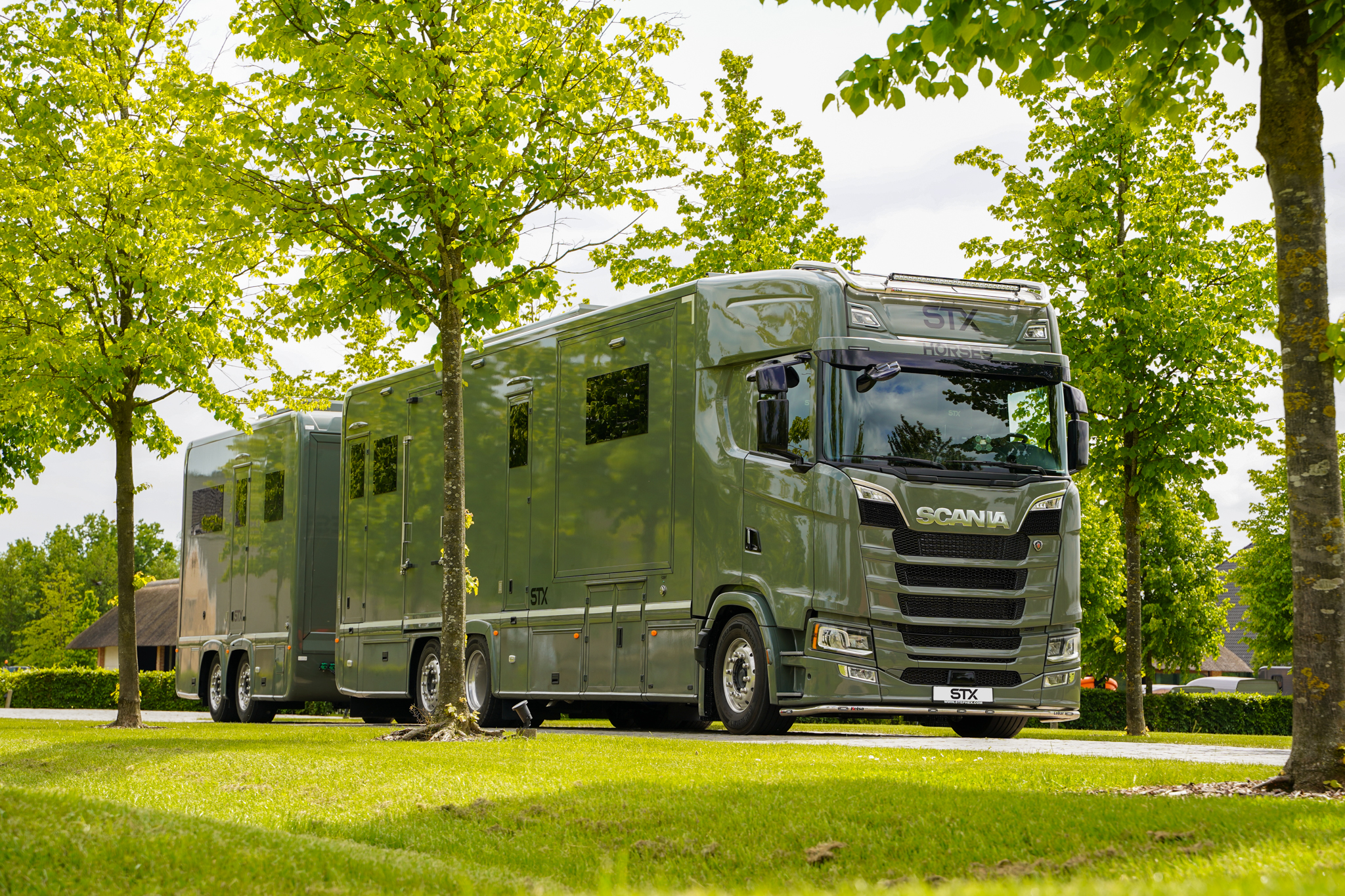
The problem no one in equine transport wants to admit
Every time a horse trailer or transport vehicle pulls onto the road, a chain of critical decisions has — or hasn't — been made in the minutes before departure. Health documentation, vehicle condition, the animal's state, interior temperature, active insurance, mandatory rest periods. A single omission can turn a routine service into a serious incident: an injured horse, a regulatory penalty, an insurance claim, or, in the worst case, the loss of the animal.
The operational reality for most equine transport companies across the UK, Europe, and beyond is that this pre-trip verification process is managed from memory — with paper lists that go missing, spreadsheets nobody keeps up to date, or simply the driver's experience as the sole safety filter. That isn't a protocol. It's a systemic risk.
Why it happens: the artisan operations trap
Equine transport is a process-intensive business. Every journey means coordinating variables that are constantly shifting: the horse's health status, the applicable health regulations for the destination country, vehicle maintenance, the driving and rest times required under EC Regulation 1/2005, the documentary chain of custody, and communication with the animal's owner.
The problem isn't that professionals in this sector don't know what they're doing. The problem is that all of that coordination rests on manual processes that depend on specific individuals — not on systems. When the regular driver is off sick, when a new employee joins, or when service volumes grow, errors creep in. And in equine transport, errors carry consequences that go far beyond a client complaint.
Regulatory pressure is also intensifying. Border inspections, animal welfare controls, and the documentary requirements of major international equestrian events have turned document management into a discipline in its own right. Doing it well by hand, at scale, is practically impossible.
Essential checklist before every equine transport
Before presenting the technology solution, it's worth being clear about what must be verified for every service. This is the minimum structure of a professional safety protocol:
Animal documentation
- Valid equine passport, accessible and on board
- Up-to-date health certificate (especially for international movements)
- Current vaccination records (equine influenza, tetanus, herpesvirus as required by destination)
- Written owner authorisation if the transporter is not the owner
- Animal identification number (microchip or brand mark) verified
Vehicle and equipment condition
- Valid MOT/roadworthiness certificate for both tractor unit and trailer
- Live animal transport insurance in force
- Functional ventilation and interior temperature within safe ranges
- Clean, non-slip flooring in good condition
- Operational drinkers and sufficient water supply
- Complete emergency veterinary kit
- Partition systems and tie rings in good working order
Journey planning
- Route planned with rest stops at least every 8 hours (or per applicable regulation)
- On-route emergency veterinary contact identified
- Weather conditions checked
- Recipient notified with estimated arrival time
- Loading time and animal condition at departure recorded
Communication and traceability
- Client confirmation of documentation receipt
- Active communication channel throughout the journey
- Incident log maintained during transit
Executed properly, this checklist protects the animal, the transporter, and the business. The challenge is executing it consistently — on every trip, with every driver, without a system to support it. That's where most companies fall short.
The cost of having no system: what's really at stake
A documentation error on an international transport can mean the animal is held at the border for hours or days, with all the veterinary, logistical, and reputational costs that entails. A missed vehicle inspection can result in a roadside penalty or, worse, an accident. A breakdown in communication with the owner can destroy a commercial relationship that took years to build.
Beyond the extreme cases, the silent cost is the most dangerous: the hours managers spend every week hunting for documents, making calls to confirm details, or reconstructing what happened on a previous trip because there's no reliable record. That time is unbilled revenue and energy that isn't being invested in growth.
Equine transport companies running on manual processes aren't being cautious. They're carrying an operational risk that will, sooner or later, materialise into a real cost.
The solution: bespoke software that turns protocol into system
The answer isn't a generic checklist app or a more elaborate spreadsheet. The answer is a system designed specifically for equine transport operations — one that integrates document management, pre-trip verification, real-time traceability, and client communication in a single platform.
That is exactly what Equestrian Partners designs and builds.
Bespoke software for an equine transport company can include:
- Digital pre-trip checklist automatically assigned to each service, with mandatory sign-off before the vehicle is cleared to depart
- Centralised document management with automatic expiry alerts for passports, health certificates, and vehicle inspections
- Integrated GPS tracking with logged stops, journey times, and transit conditions
- Client portal where the horse owner can follow the journey in real time and receive automatic notifications
- Incident module that documents any anomaly during transport with photographic evidence and digital signature
- Veterinary system integration to verify the animal's health status before each service
None of this requires the driver to be a technology expert. The system guides the process, enforces completion of every step, and automatically generates the records that protect the business against any claim or inspection.
Why Equestrian Partners and not an off-the-shelf solution
Fleet management tools, checklist platforms, and logistics software exist in abundance. None of them understand that a high-value competition horse is not standard freight, that animal welfare regulations carry specificities found in no general logistics manual, and that the client of a premium equine transport service has expectations around communication and transparency that a delivery app simply cannot meet.
Equestrian Partners designs and builds technology for equestrian businesses. We know EC Regulation 1/2005, we understand the difference between a domestic transport and an international competition move, and we know that the trust of a valuable horse's owner is earned through transparency and lost with a single avoidable mistake.
We don't sell software licences. We build systems that adapt to how your business actually works — your fleet, your clients, your real operational needs.
The time to act is before the next incident
Most equine transport companies wait for something to go wrong before reconsidering how they operate. An incident, a penalty, the loss of a key client. It doesn't have to be that way.
If you run an equine transport business and recognise any of the problems described in this article, the next step is a conversation. Not a generic quote, not a demo of an off-the-shelf product: a strategic session in which we analyse your operations, identify where the real risks lie, and design together the system you actually need.
That conversation costs nothing. What does carry a cost is continuing to operate without it.
Frequently asked questions
If you run an equine transport business and want to stop relying on manual processes that create risk, let's talk. At Equestrian Partners, we analyse your operations, identify the real failure points, and design the system you need. No commitment, no empty jargon — a conversation between professionals who know this industry.
Book your free strategic session